EXPLAINER: HOW TRIUMPH ENDUROS HANDLE
Ever since we threw a leg a leg over Triumph’s first ever enduro models at the bikes’ Aussie media launch back in June, barely a day goes by when we don’t field enquiries about the British manufacturer’s all-new 2026 TF250-E and TF450-E. Naturally, our first response is to direct people to the comprehensive piece we published in the wake of that launch, where we answered a slew of your FAQs about these new Triumphs; or to the 10-minute video that took our audience behind the scenes at the launch and captured our first impressions.
Somehow, though, this wasn’t enough for many of you, evidenced by the fact that we’re still being inundated with Triumph-related questions. So, we’ve decided to answer the most frequent FAQs, one at a time.
For last in this series of FAQ answers, let’s address your questions about the riding experiences aboard these new TF-E models – their cockpit ergos and handling character…
HOW CONVENTIONAL – OR OTHERWISE – IS THE COCKPIT & ERGOS?
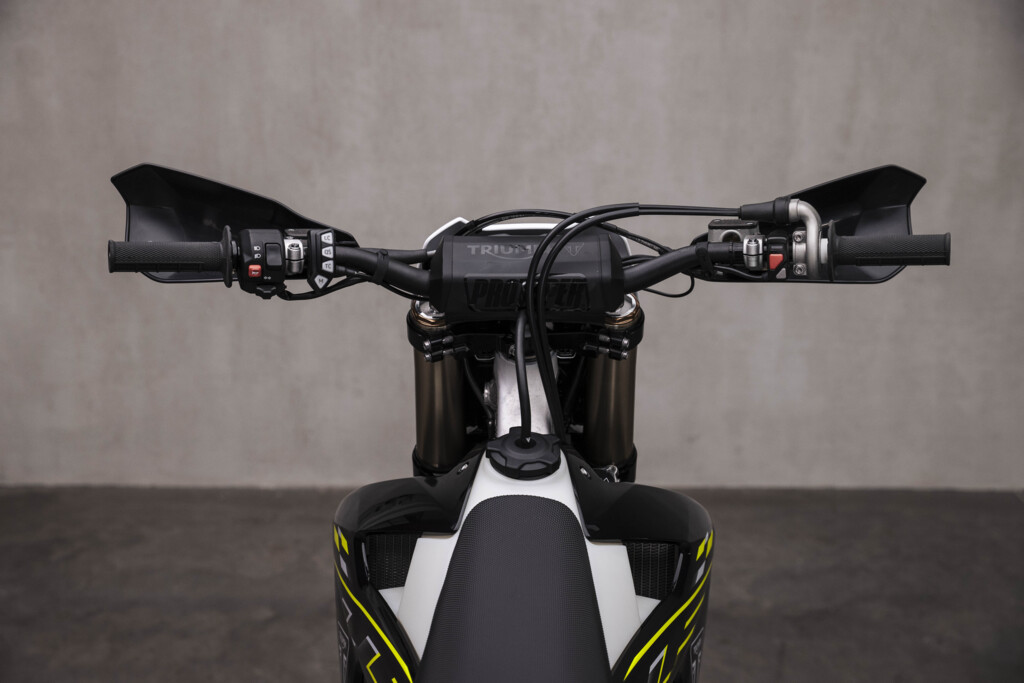
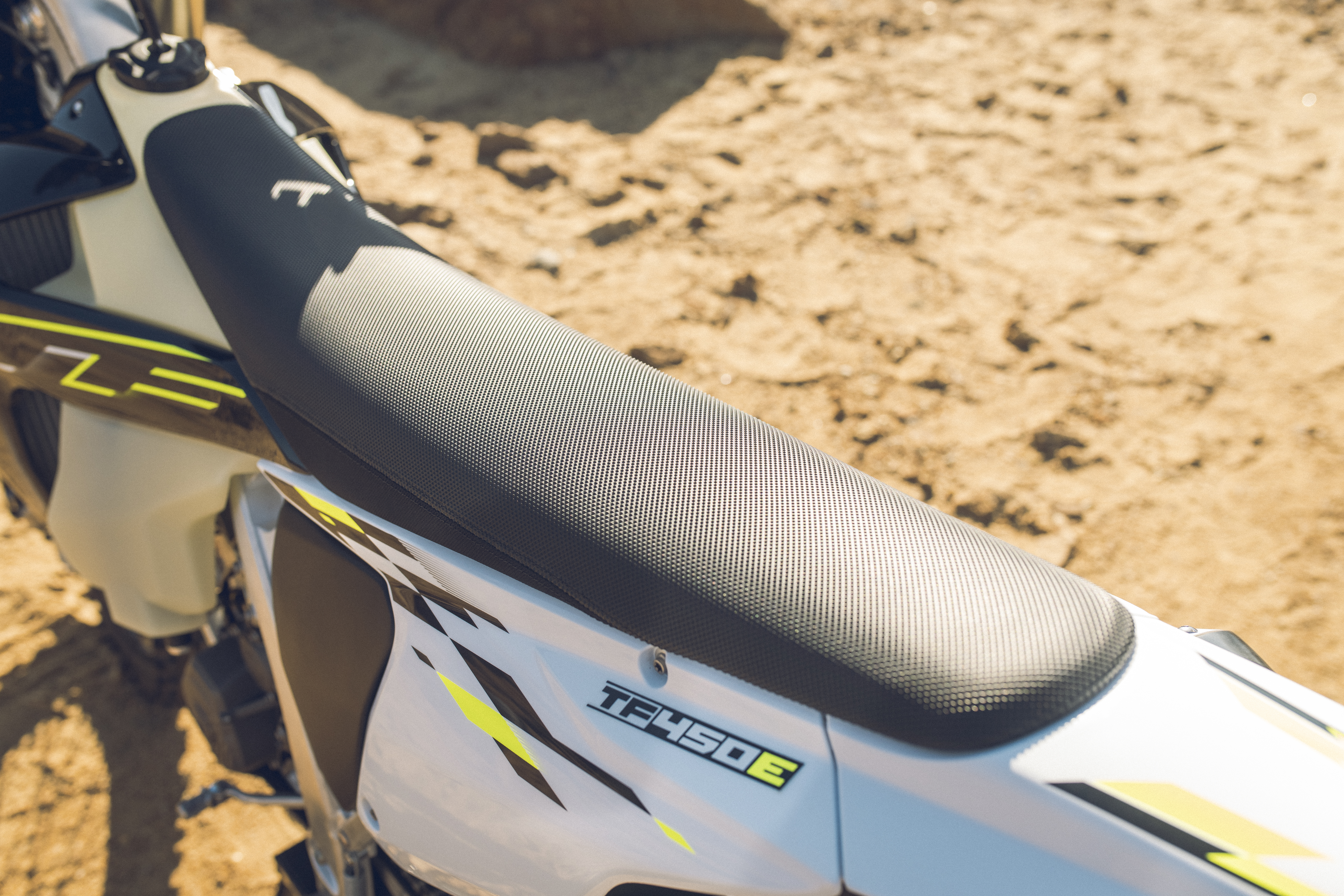
Very conventional … though more Euro than Jap. If you sit on the Triumph and shut your eyes, you could be aboard an equivalent KTM model. That goes for the seat/bar/footpeg triangle, the seat’s profile and feel, the OTF adjustable Brembo brake and clutch levers, and the overall shape and dimensions of the bodywork. The Triumph’s bar-mounted switchblocks are a nice touch. They’re intuitive and feature illuminated buttons for quick, easy adjustments, while the digital speedo screen provides real-time data – including engine temperature, trip information and gear position. Yep, once again, no corners cut!

OKAY, BUT HOW DO THE ENDURO BIKES HANDLE?
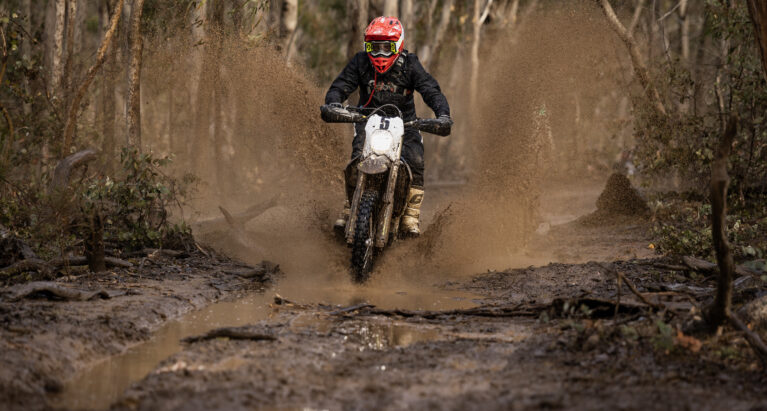
With a KYB suspension package – generally regarded as the best-performing fork and shock currently available for production dirt bikes – we always expected these TF-E models to deliver a sure-footed, confidence-inspiring ride and be capable of absorbing big hits. But with Triumph’s enduro and MX models using the same alloy frame, the real question for us coming into the launch was whether Triumph had managed to successfully adapt the KYB suspension settings to off-road applications. In other words, were they able to give the bikes a more compliant and forgiving ride across the multitude of obstacles, big and small, they’d encounter on off-road trails and tracks? Five minutes into our test ride, it became apparent that Triumph had done a superb job of that adaptation process. Rather than feeling like an MX bike with softer, more compliant settings to absorb rocks and roots, both 250 and 450cc enduro bikes handle like their DNA is 100%, ground-up enduro. With a 10mm shorter fork than the MX models, the enduro bikes steer precisely and have a really agile feel in tight terrain – a character trait no doubt aided by being lightweight and by the lower seat, which gives you more manageable stand-over for technical sections.

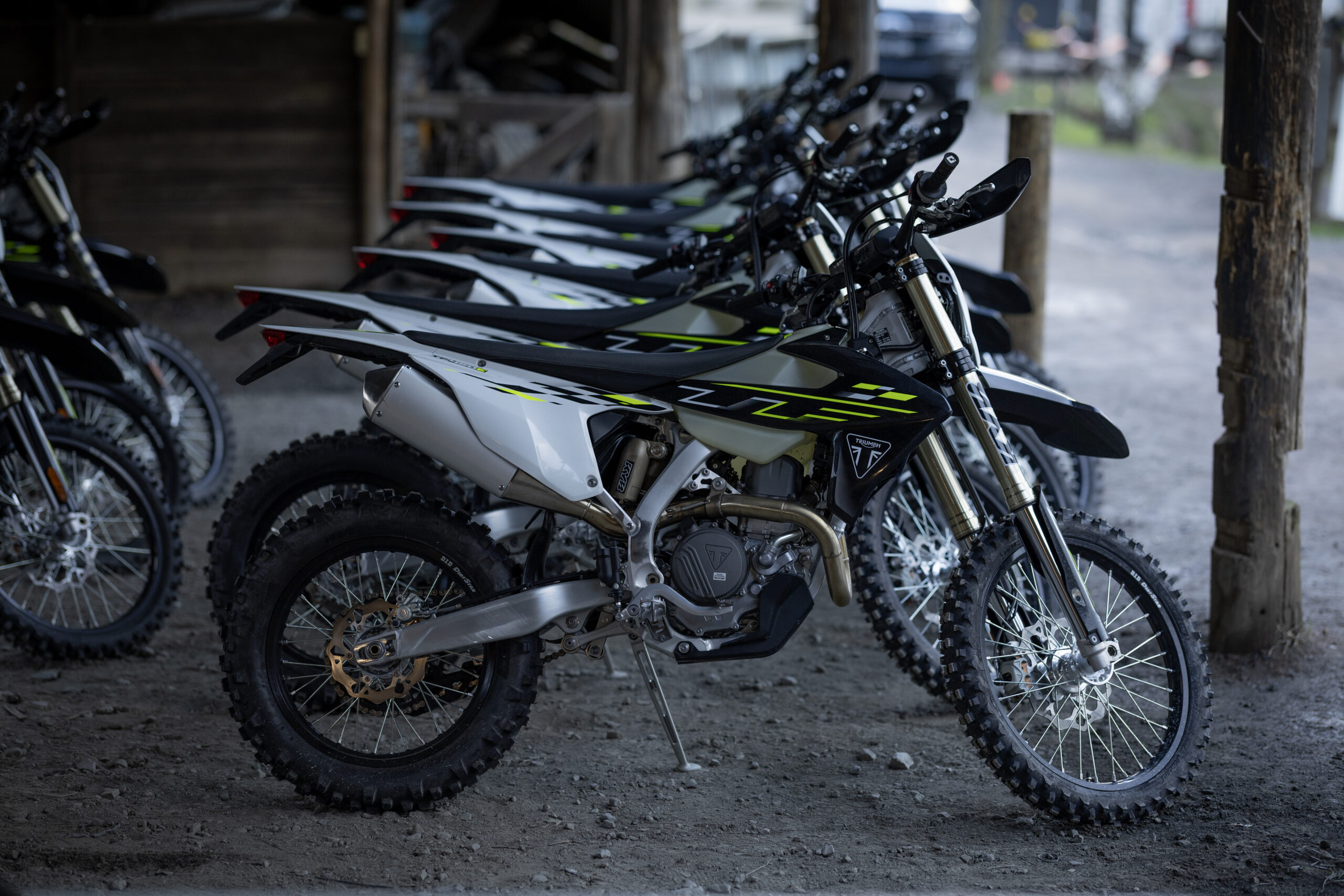
But the real magic of these bikes is the way they combine that low-speed agility with high-speed stability. And that super-wide handling sweet spot gives them a planted, confidence-inspiring ride in all sorts of terrain. Both fork and shock offer plenty of plushness in the first part of their stroke; soaking up small, square-edged rocks and roots without a hint of deflection. And yet when you huck the bikes off a bigger-than-expected erosion mound or slam a high-speed G-out you only saw coming at the last second, the impact through your arms and legs routinely feels gentler than expected. That progression in the stroke at both ends means way less fatigue, which in turns makes you feel like you can afford to relax in the saddle and charge into obstacles, safe in the knowledge that the bike is resistant to being knocked off-line or bottoming out.
You might also like...
Triumph
1 day ago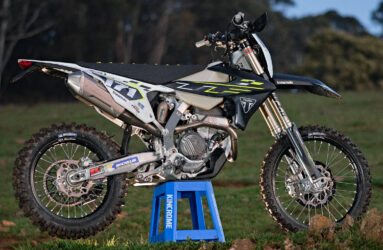
2026 TRIUMPH TF250-E: TECH TIPS
After putting more than 40 hours on our 2026 Triumph TF250-E project bike, Transmoto’s Sam Gray checks in with a few handy tech tips.
Triumph
3 weeks ago
FIRST LOOK: TRIUMPH’S 2027 TF250-X
Triumph’s MX2 title-winning TF250-X gets revised engine, clutch and suspension (and all-black bodywork) for 2027.
Triumph
1 month ago
HISTORY: FARRES & TRIUMPH TAKE WORLD MX2 CROWN
Triumph’s Guillem Farres seals the 2026 MX2 world title in Darwin – the British brand’s first ever World Motocross crown!
Triumph
1 month ago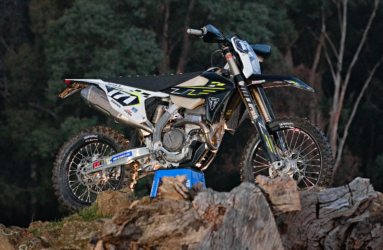
2026 TRIUMPH TF250-E: BIKE SET-UP TIPS
Transmoto’s Sam Gray runs through all of the mods he’s made to our long-term Triumph TF250-E project bike to get it enduro race-ready.
Triumph
1 month ago
TRIUMPH: ALL IN – EPISODE 1
Triumph’s first doc series, ALL IN, charts its off-road gamble – from a 2018 decision to an MX2 world-title fight.
Triumph
2 months ago
GUILLEM FARRES JOINS TRIUMPH’S MXGP CHARGE FOR 2027
Triumph Factory Racing confirms Guillem Farres will step up to the MXGP class from 2027.
Triumph
2 months ago
2026 TRIUMPH TF250-E: FIRST IMPRESSION
Transmoto test rider, Sam Gray, delivers his first impression of Transmoto’s latest long-term project bike; Triumph’s 2026 TF250-E.
Triumph
3 months ago
SUNDERLAND ADV PODIUM AT ROMANIACS
Sam Sunderland finishes runner-up in the Adventure Core class at Romaniacs.
Be the first to comment...