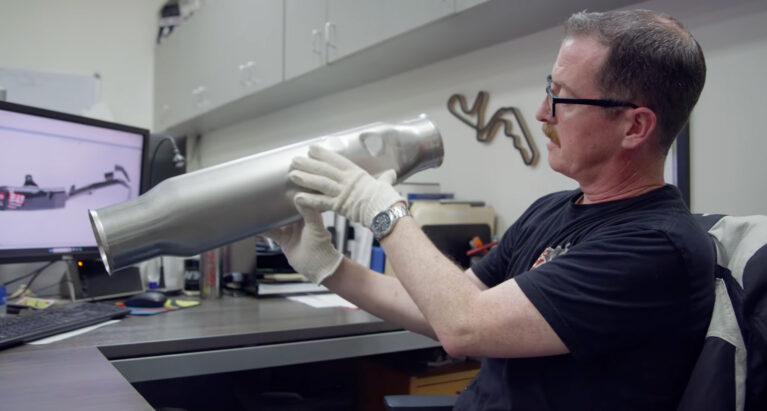
EXPLAINER: EXHAUST CONSTRUCTION
Stainless steel, aluminium, titanium, carbon fibre…
We pick the brains of Yoshimura R&D of America’s performance gurus to better understand what materials are used for various exhaust components, and why?
Late last year, we spoke with two of Yoshimura USA’s longest-standing personnel for a fascinating insight into the brand, the incredible depth of R&D behind its products, and Yoshi’s ambitious plans for Australia, now that A1 Accessory Imports has taken on the brand’s distribution here. So now, let’s dive a little deeper into this iconic brand’s muffler and full-system exhaust offerings.
With Yoshimura, you know you’re getting an exhaust that uses premium materials and finishes, married with advanced engineering and fabrication craftsmanship. But specifically, what different materials are used in Yoshi’s mufflers and full-system exhausts, and why? To answer those questions, we sat down for a chat with the guys from Yoshimura R&D of America…
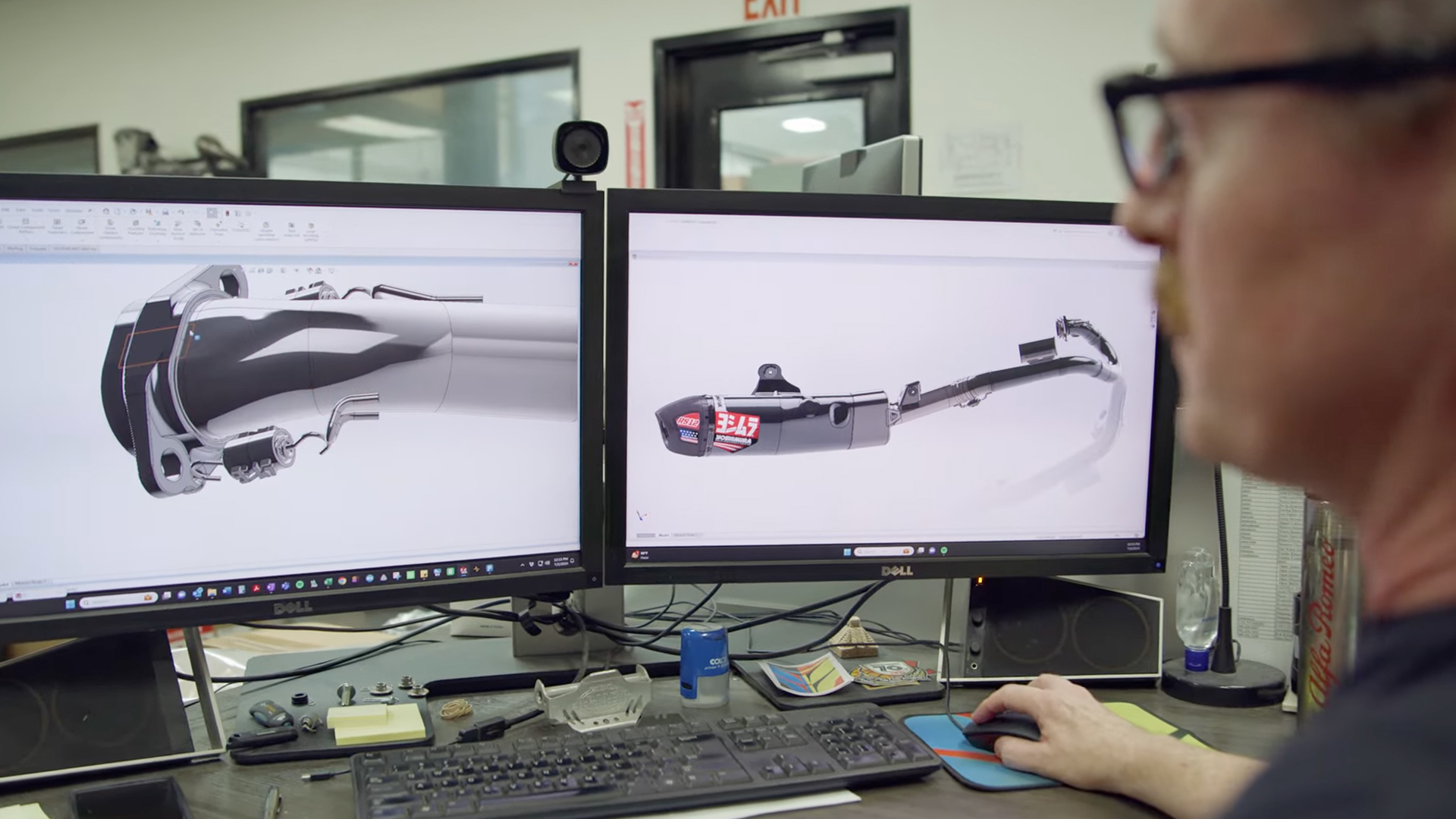
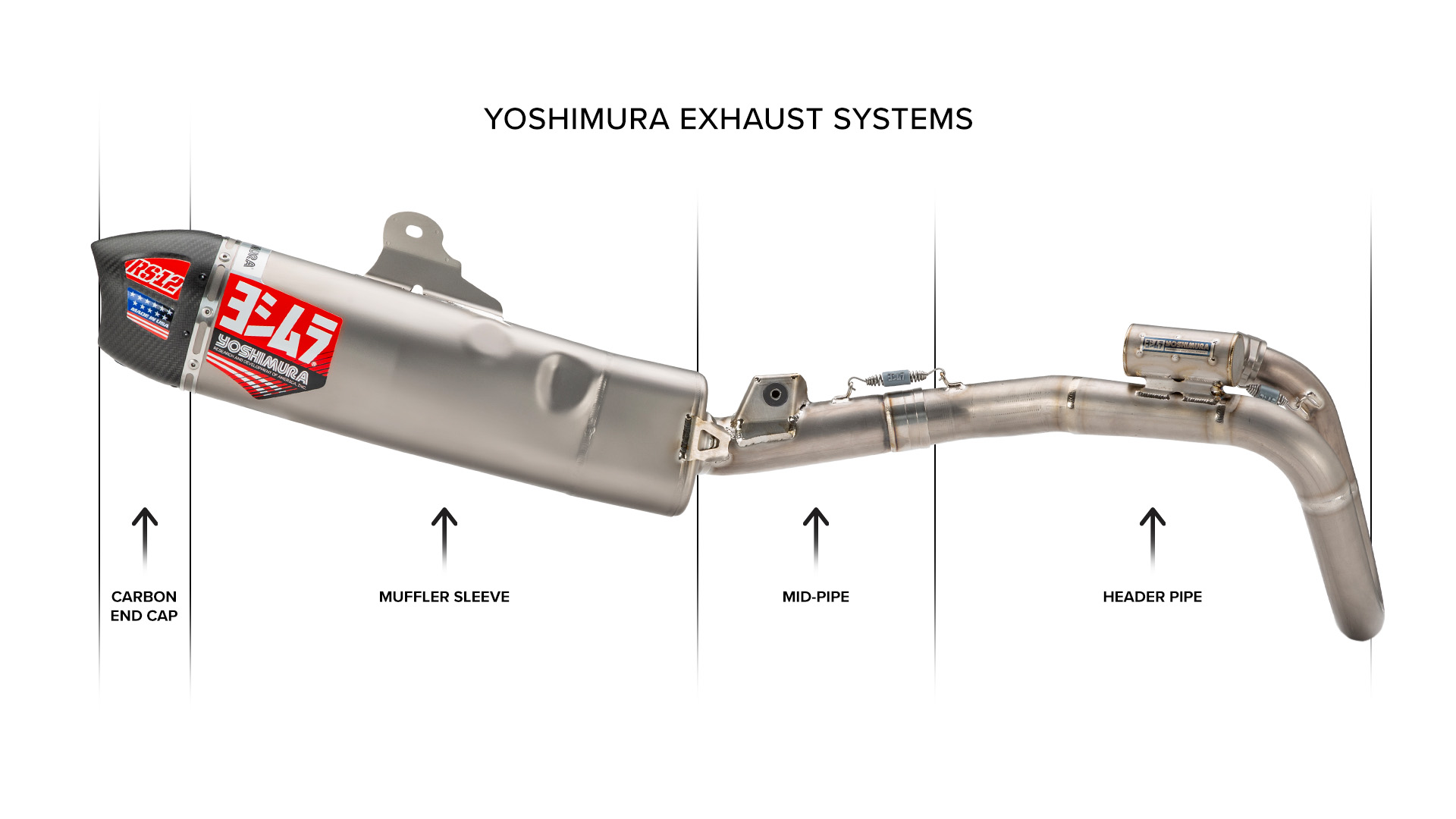
When consumers look through Yoshimura’s catalogue or website, they’ll notice that the brand’s Off-Road, MX and Adventure bike mufflers all use stainless steel for the mid-pipe and carbon-fibre for the end-cap. Why is that? Is stainless the undisputed optimal material for the mid-pipe? And is carbon the gold-standard for end-caps, or more of a marketing thing cos it’s kind of synonymous with Yoshi?
Yoshi: We mainly use stainless steel for motocross, enduro and adventure applications because it’s the best real-world compromise for off-road abuse. Stainless handles heat, vibration, impacts and corrosion without flinching. Lighter materials like titanium are great in the right application, but stainless is simply more forgiving and dependable in harsh conditions. Carbon end-caps started out purely for function, but over time they became part of the iconic Yoshimura look, for sure. In specific cases, we produce titanium, stainless and aluminium end-caps, but carbon’s stuck around because it works. Its lightweight, durable, lets us get creative with our shapes and, of course, looks cool!
Sticking with the ‘use-of-material’ theme, why offer a choice of stainless steel, aluminium, titanium or carbon fibre sleeves for a majority of Yoshimura’s mufflers? In fact, some mufflers even have a ‘“Works-Finish” Stainless or Titanium sleeve option!
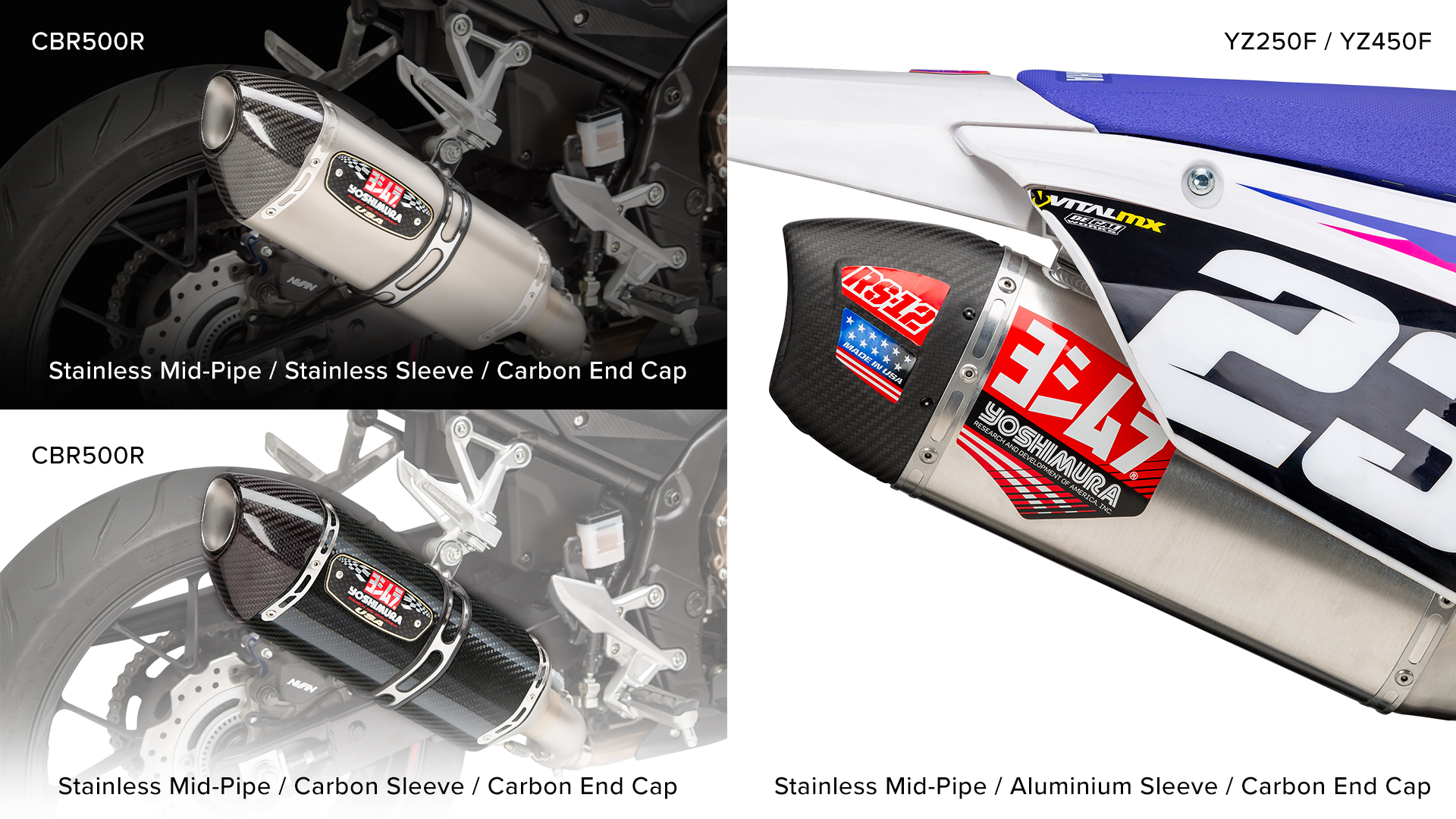
Yoshi: We make a wide range of muffler shapes and styles, each designed to suit the specific motorcycle and application – street, motocross, enduro, adventure, you name it. Our customers can also pick from multiple sleeve materials to match their budget, performance goals, and of course, the look they want. Take Honda’s CBR500, for example. The R-77 muffler comes with a budget-friendly stainless sleeve or a premium, ultra-lightweight carbon option. Yamaha’s YZ/WR450F gets a lighter aluminium sleeve, while Honda CRF250/450R racers have the option to go ultra-light with titanium.
“Works Finish” is our proprietary surface treatment used for slip-ons and full systems. It’s designed to provide a durable uniform finish. After a few heat cycles, Works Finished stainless steel takes on a distinctive, uniform colouration that resembles high-end Titanium. For more info about sleeves and finishes, check this out.
What are the advantages (and disadvantages) of each muffler sleeve material and, broadly speaking, how is that reflected in price?
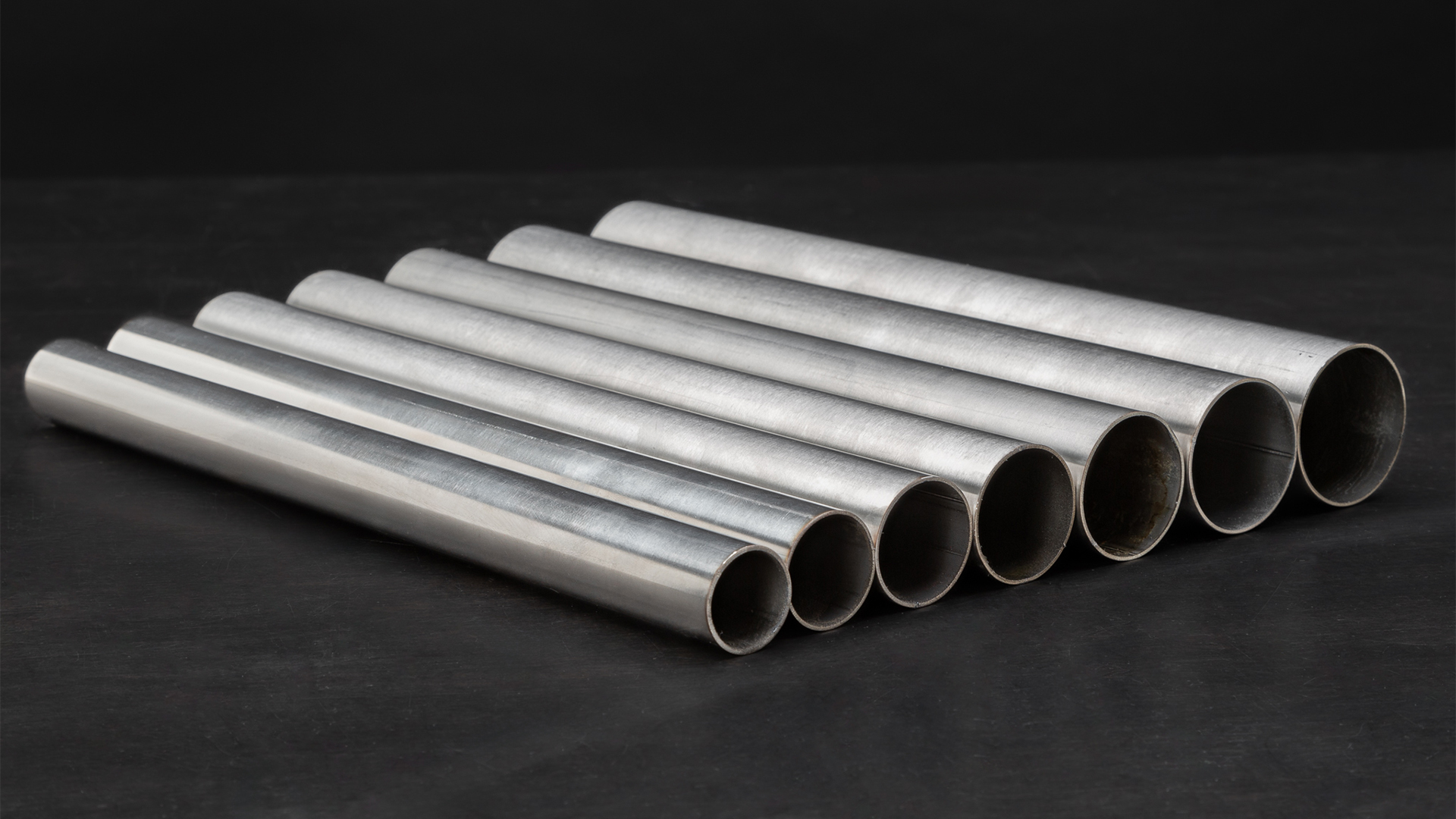
Yoshi: Stainless is the ‘baseline’ material – tough, reliable and least expensive, but also heavier compared to the others. Aluminium is lighter and resistant to corrosion, but softer and prone to damage. Carbon fibre is ultra-lightweight, strong and doesn’t corrode, but typically more expensive than stainless or aluminium. Titanium as we know is extremely lightweight and looks premium but is less forgiving in harsh conditions and typically more expensive than stainless and aluminium.
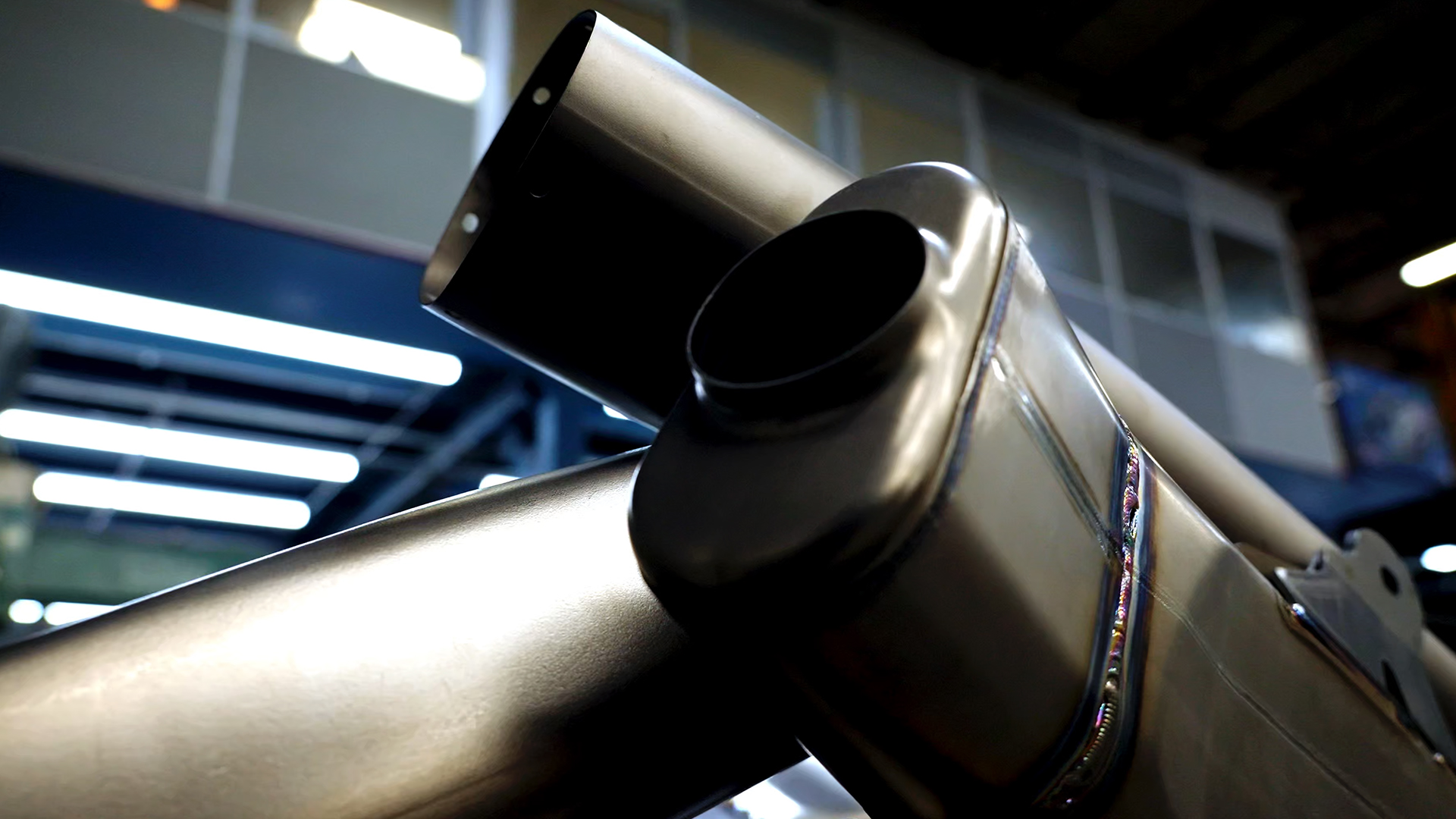
Why does Yoshimura currently only produce one ‘full-system’ exhaust for MX bikes (the RS-12, with titanium header pipe and mid-pipe, titanium muffler sleeve, and carbon end-cap)? And why is it only available for the CRF450R?
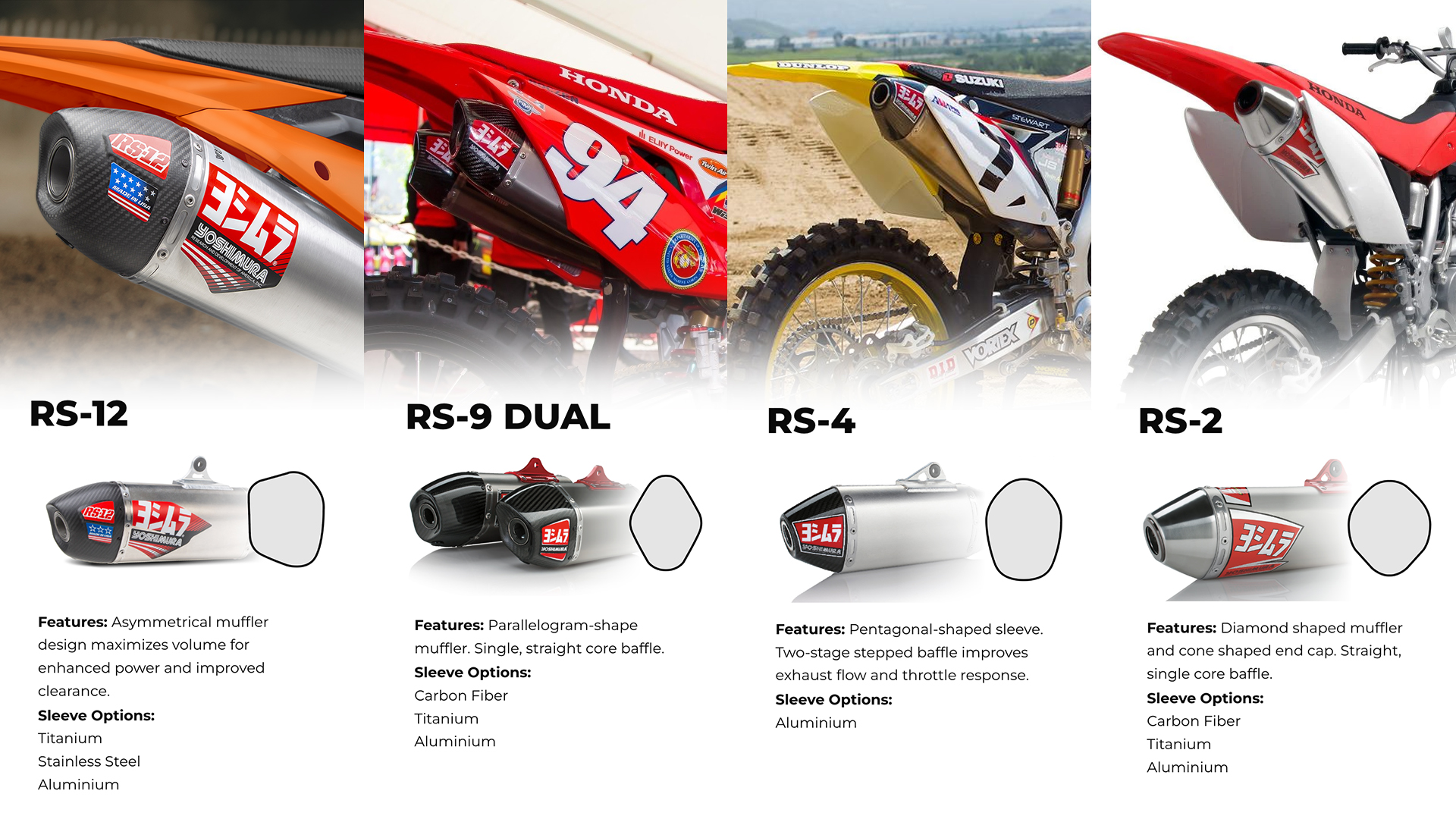
Yoshi: We don’t just offer the RS-12 range for motocross applications. It’s the latest evolution of our long-running RS series, developed to meet the high demands of modern four-stroke off-road motorcycles. Compared to earlier generations, today’s motocross bikes are packaged incredibly tight and place very different demands on an exhaust system – from performance and heat management to durability and noise control. The RS-12 was designed specifically for this new era, delivering the performance riders expect, along with clean, modern styling. Many riders will remember our diamond-shaped RS-2 muffler, a popular choice for CRF150R racers; the iconic RS-4, made famous during Suzuki and Honda’s factory racing efforts circa 2011-2018; and the dual RS-9 mufflers that became synonymous with Honda’s CRF dual-exhaust era. These systems remain an important part of our line-up and we continue to produce and support them today.
The full titanium RS-12 system for the Honda CRF450R, however, was purpose-developed in close collaboration with Honda’s factory racing teams. That partnership resulted in a limited version of the full titanium RS-12 being supplied as OEM fitment on the Honda CRF450RWE Works Factory Edition models. And yes, it really is a thing of beauty!
What gives Yoshi customers more bang for their performance-improvement buck – a slip on muffler or full-system exhaust (including header pipe)? And why?
Yoshi: From a general standpoint, a slip-on muffler offers most riders a good performance return on their investment. That’s partly because a large portion of the materials cost and engineering is in the muffler itself. Modern OEM header pipes are typically very well matched to the engine, so fitting a Yoshimura slip-on can produce clear improvements in throttle response, mid-range power, weight savings, and sound character without the added cost of a full system.
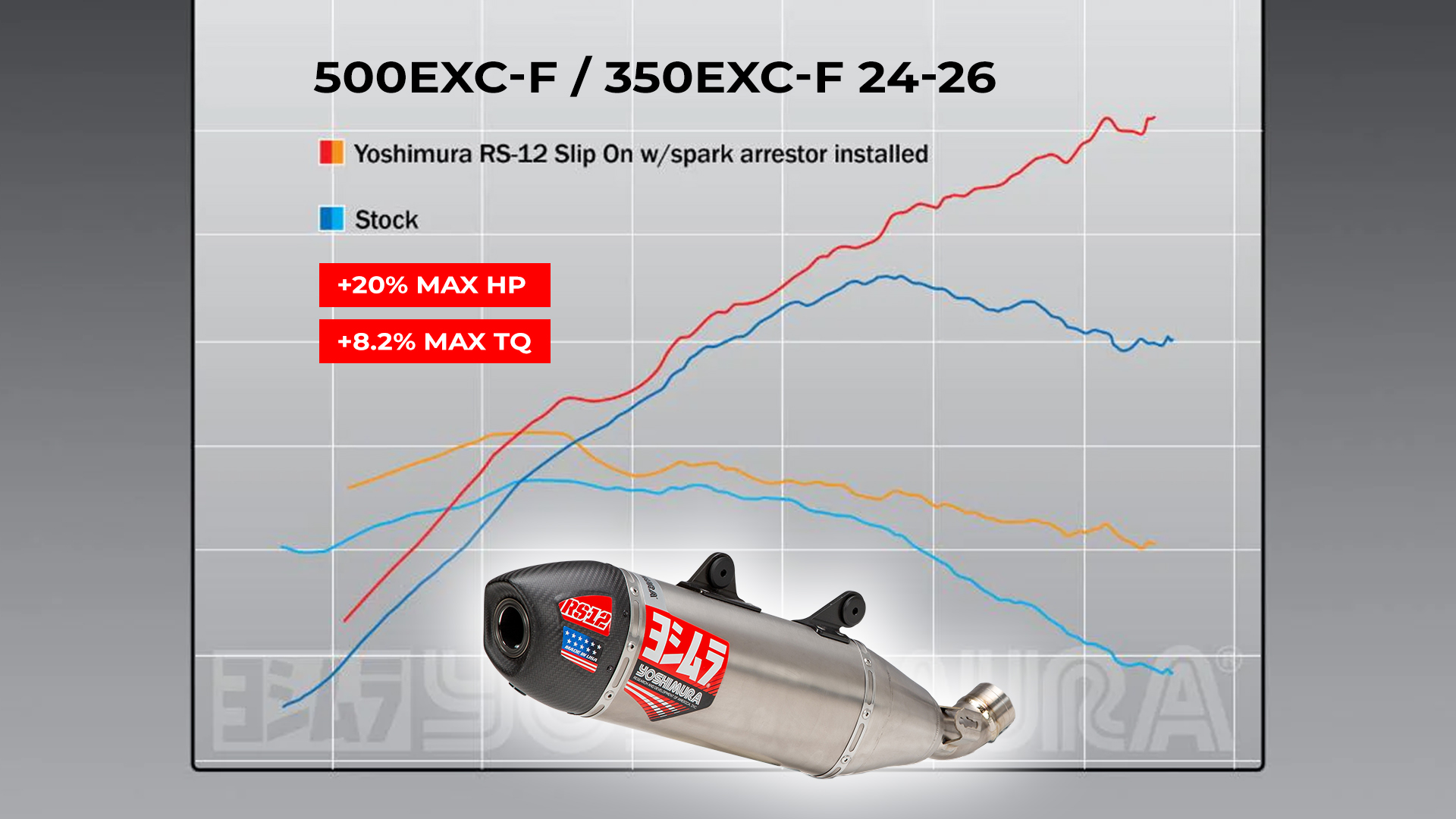
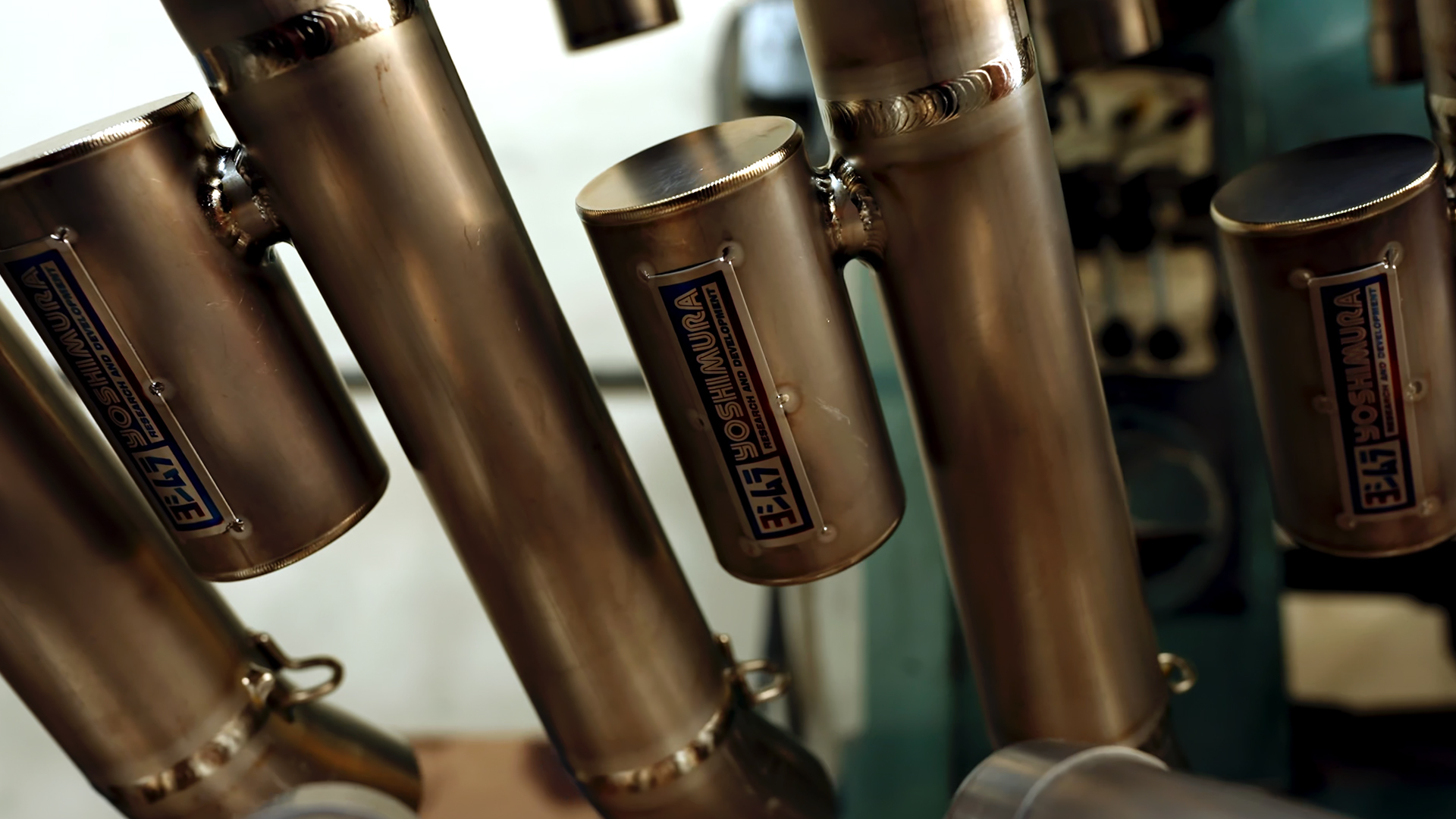
That said, a full exhaust system really comes to life when the goal is absolute, no-compromise performance. By redesigning the header, we’re able to tune the entire power curve, improve exhaust scavenging, and unlock additional top-end power and over-rev that simply isn’t achievable with a slip-on alone. Those gains matter most to racers and high-level riders, which is why full systems are more expensive and developed for very specific platforms. In short, slip-ons deliver great performance improvement per dollar for most riders, while full systems are about extracting every bit of performance.
Yoshimura uses an array of cross-section shapes for its mufflers – Asymmetrical, Parallelogram, Tapered Parallelogram, Trapezoidal, Pentagonal, Oval, Diamond, and Tri-Oval. Why the huge range? Is it about aesthetics and marketability, optimised fitment for specific bike models, or maximising performance? Or all of the above?
Yoshi: From an engineering standpoint, muffler shape is a tool, not a styling exercise. Every cross-section we use – asymmetrical, parallelogram, tapered parallelogram, trapezoidal, pentagonal, oval, diamond, tri-oval, etc – exists because it solved a specific problem at a specific point in time. As you know, modern bikes are tightly packaged, with limited space around the subframe, shock, rear brake, bodywork, and wheel travel. Changing the muffler shape lets us maximise internal volume, control sound, and maintain ground and bodywork clearance without compromising performance.
Internally, those shapes affect core length, packing volume, gas velocity, etc – all of which directly influence power delivery. Externally, the shape has to integrate cleanly with the bike’s design and meet rider expectations. So, yes, aesthetics and marketability matter, but only after the engineering targets are met. In short, the wide range of Yoshimura muffler shapes reflects decades of adapting to different bikes and performance goals, all while keeping the same philosophy: make it fit properly, make it perform, and make it unmistakably Yoshimura.
You might also like...
A1
1 week ago
EXPLAINED: WHICH MOTOREX TOP SPEED 4T GRADE DOES YOUR BIKE NEED?
Four viscosities, four very different jobs – which MOTOREX Top Speed 4T grade does your bike actually need?
A1
2 weeks ago
INDUSTRY NEWS: CONTINENTAL TYRES JOIN A1
A1 Accessory Imports adds Continental motorcycle tyres to the line-up of products it distributes in Oz.
A1
4 weeks ago
NEW PRODUCT: MAXXIS MA-MT Adventure Tyre
The all-new Maxxis MA-MT radial adventure tyre has arrived in Australia.
A1
3 months ago
YOSHIMURA: GIVING THE YZ450F ITS VOICE!
Yoshi’s new RS-12 Hybrid System for the ’26 YZ450F promises real gains, less weight, and an easy install.
A1
4 months ago
GET Powersport Lithium Battery Range
GET by Athena’s lithium battery range is built specifically for the demands of serious off-road riding.
A1
5 months ago
SCAN A BOTTLE & WIN A MOTORCYCLE!
Motorex’s limited-edition 6DAYS packaging isn’t just a pretty label – you could win a brand new bike!
A1
5 months ago
BULLET THE RED BIKE: JEFFREY HERLINGS
The Dutchman gets candid about embracing his bold switch to Honda, and his reigniting motivation to chase down another MXGP title.
A1
6 months ago
TECH BREAKDOWN: 3D BY EK CHAINS
3D by EK Chains’ tech forges stronger chains that run smoother and last longer.
Be the first to comment...