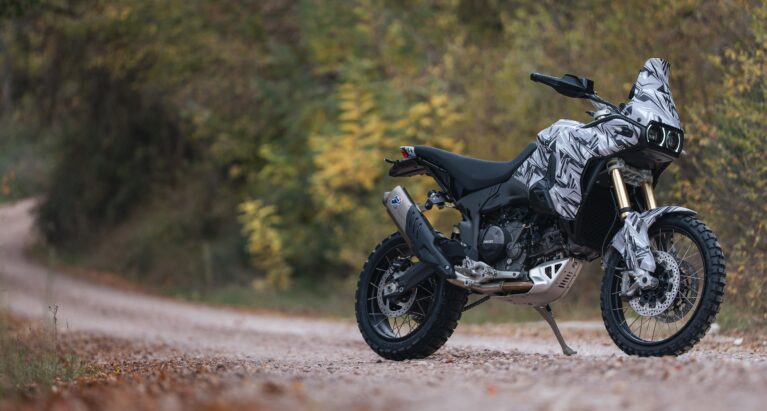
2026 DESERTX: MORE UPGRADES REVEALED!
It’s far from customary for the passionate Italians at Ducati to underplay their hand when it comes to detailing the upgrades on their new-model bikes. But underplay their hand is exactly what Ducati did with their 2026 DesertX adventure model, which was “previewed” at the recent EICMA motorcycle show in Europe.
Sure, Ducati’s marketing department did concede that, for 2026, the DesertX would see the first major upgrade since 2022, when the model originally appeared. They also confirmed widespread speculation that the 2026 DesertX would adopt Ducati’s lighter, next-generation V2 engine, which, since it was first introduced a year ago, has already gone on to power the Panigale, Multistrada, Streetfighter and Monster models. And they let-on that this V2-powered DesertX would see some big suspension upgrades – in particular, the move to a progressive rear shock linkage – to improve its off-road capabilities. But aside from that, those in blood red were uncharacteristically coy with details about the 2026 DesertX.
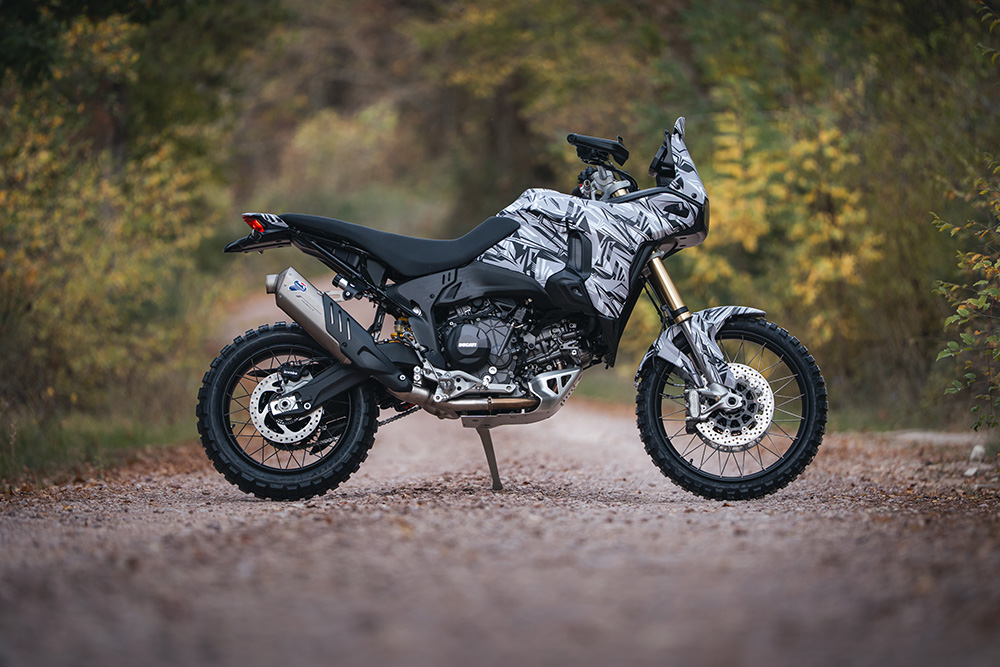
Perhaps Ducati was content to let this ‘preview’ at the world’s biggest motorcycle show speak for itself; because the camo livery adorning the display bike at EICMA did little to hide the fact this new DesertX is also sporting reshaped bodywork, seat and fuel tank, a revised frame, and an all-new swingarm. In other words, it’s damn near an all-new motorcycle!
Comparing the 2026 DesertX with its predecessor (assuming the EICMA bike is representative of the production model that’s due to hit dealers from mid 2026), here’s some of the other updates we noticed:
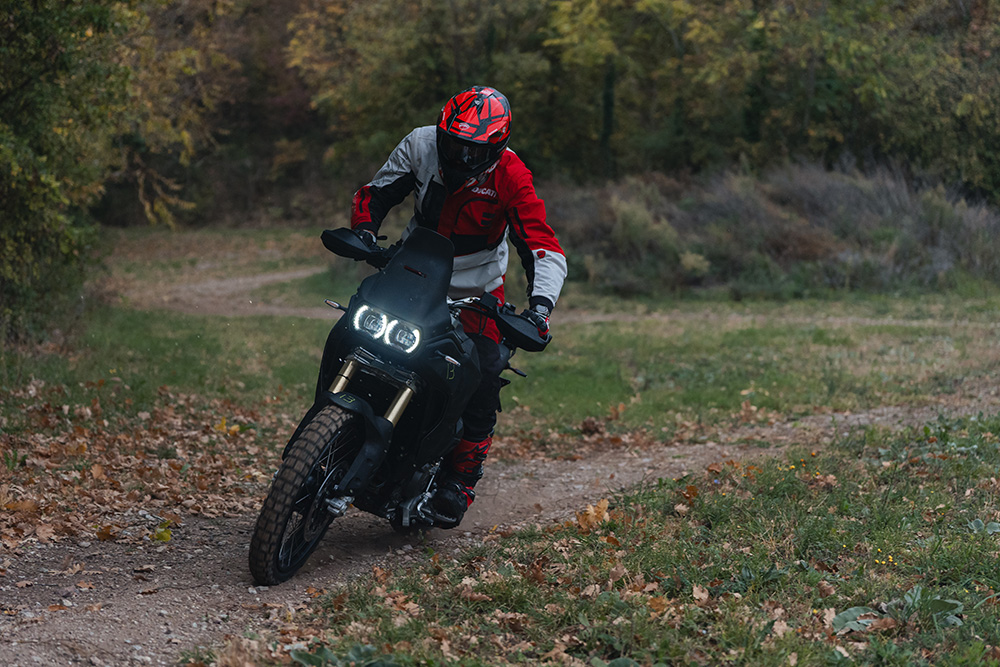
THE POWERPLANT
The next-generation and significantly lighter V2 powerplant is an 890cc 90-degree twin-cylinder engine that moves away from Ducati’s trademark Desmodromic valve design in favour of more conventional valve springs and IVT – intake variable valve timing – system. It may be down on capacity compared with the DesertX’s existing powerplant (the long-serving 937cc Testastretta 11° twin-cylinder engine), but it isn’t down on power. The V2 engine is claimed to produce a maximum of 110hp (at 9000rpm) and 92Nm (at 7000rpm) in the 2026 DesertX – almost identical numbers to the outgoing 937cc Testastretta donk (and a tad below the 120hp and 93Nm of torque the V2 engine makes in the new Panigale road-going weapon).
The 2026 DesertX is also lighter than its predecessor, with a claimed curb weight (fluids, but no fuel) of 206kg. That’s thanks largely to weight savings delivered by this new V2 engine.

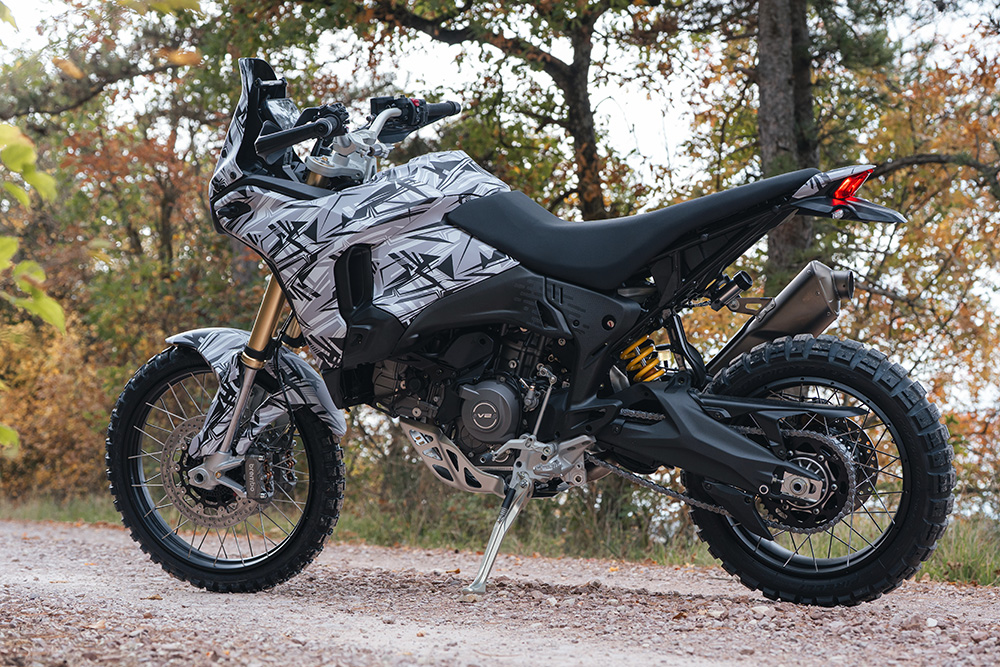
THE CHASSIS
As expected, the engine remains a stressed member of the 2026 frame. But one look at the original (2022) and 2026 DesertX models side-by-side clearly illustrates that the new frame has been significantly revised. That includes a completely different swingarm – which makes sense, given the move from a PDS/no-linkage set-up to a rising-rate shock linkage design for 2026. Speaking of the shock absorber, the new bike looks to have a remote, tool-free, easy-to-access preload adjuster that’s tucked up near the muffler’s mounting bracket.
Do the gold-coloured stanchions indicate the DesertX’s Kayaba fork will also be upgraded for 2026? Hard to say. But with the forks in many of the adventure bike market’s mid-capacity machines getting beefed-up bottoming resistance in the past year or two, Ducati would have to at least be looking at firmer springs and/or damping – if nothing else, to match the new bike’s more off-road-capable rear-end.
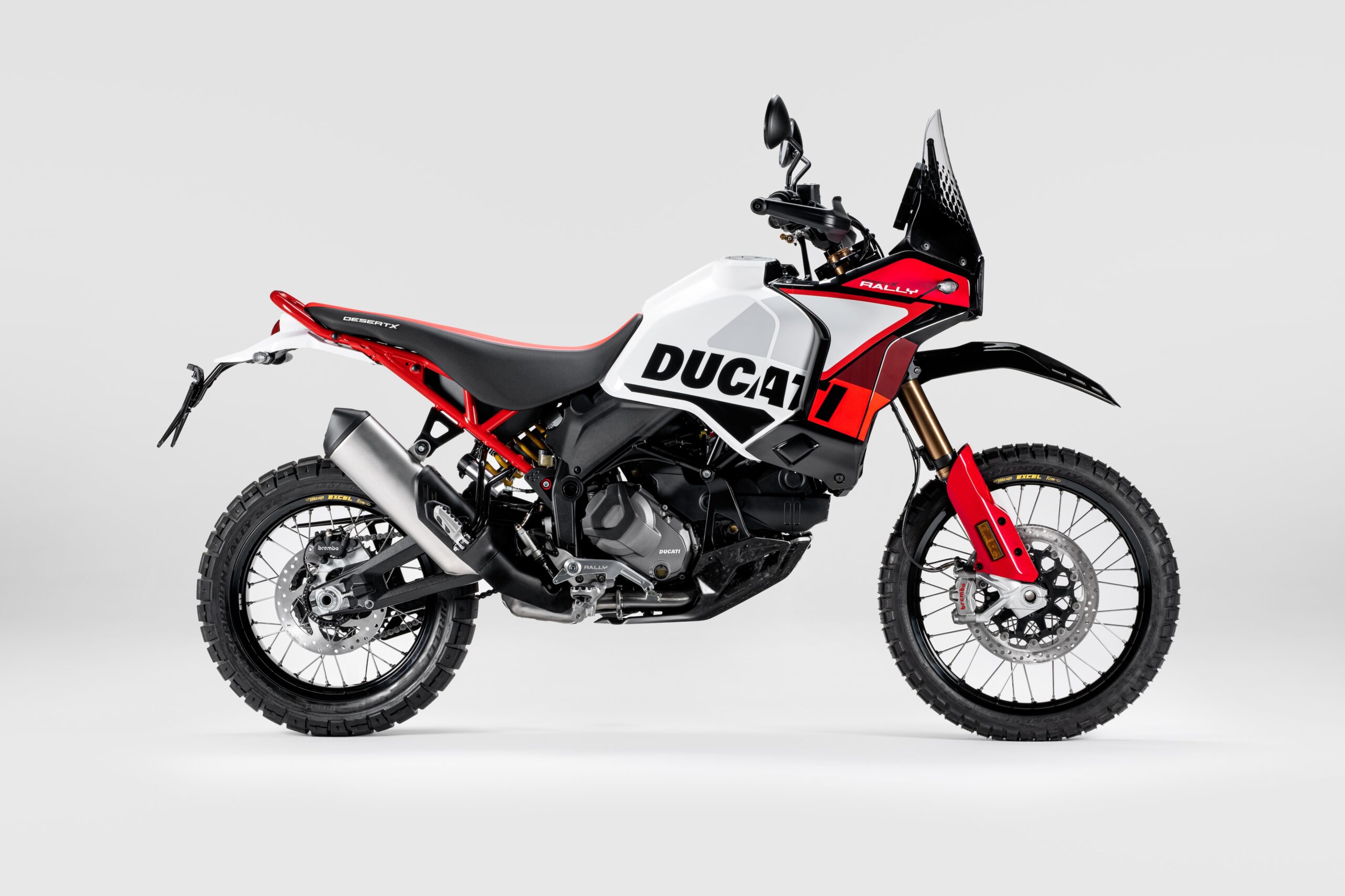
THE ERGOS
Probably the most obvious change on the 2026 DesertX is the new bodywork. Big changes are visible around the radiator ‘shrouds’, the more streamlined junction of the bodywork and seat, the contact points with the rider’s legs and frame guards when standing, and the front mud guard.
Meanwhile, the 2026 bike’s fuel tank – and the fact the new one-piece seat is integrated further up onto the tank – allows the rider to get further forward on the bike to weight the front-end in off-road terrain. It also creates quite a different silhouette. Let’s hope this one-piece seat sticks for the production bike, as even the staunchest Ducastisti (or their pillion passengers) weren’t fans of the original two-piece perch or the rickety way it mounted to the bike.
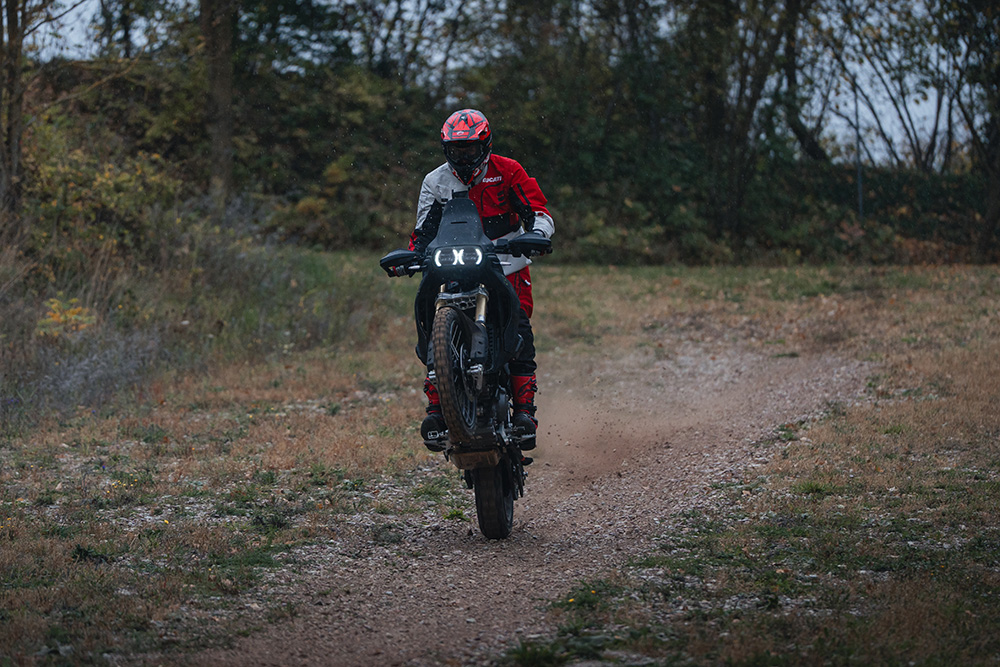
What else? Well, we reckon the 2026 bike’s rear-end looks and feels more ‘finished-off’ – thanks to the short, moto-style rear guard that takes the place of the original models’ steel tubing and turned-down, duck-bill-shape tail guard extender. And if you look closely, the footpegs, rear brake pedal and gear-shift lever all appear to be updated to stronger, forged alloy components – similar to what the up-specced DesertX Rally model runs.
As for the rest of the changes, we’ll have to wait until February, when Ducati say they plan to drop all the details about the 2026 DesertX. This new model is expected to hit European dealers in May and US dealers in June, before rolling out to other worldwide markets in Q3 of 2026.
You might also like...
Ducati
5 days ago
CALLING TIME: DYLAN FERRANDIS RETIRES
Dylan Ferrandis calls time on his Pro career, with this weekend’s SMX finale his last-ever race.
Ducati
6 days ago
FIRST LOOK: DUCATI’S DESMO450 SM
Ducati turns its Desmo450 MX into a race-bred supermoto weapon – the desmo-valved Desmo450 SM.
Ducati
1 week ago
TECH TALK: DUCATI’S DESMO250 MX MODEL
The Project Manager of Ducati’s Desmo250 MX offers a revealing insight into the all-new model’s R&D process.
Ducati
3 weeks ago
TESTED: 2027 DUCATI DESMO250 MX
After finally sampling Ducati’s all-new Desmo250 MX, there’s a lot more to talk about than its 15,000rpm rev limiter.
Ducati
3 weeks ago
R&D REVELATIONS: DUCATI’S 2027 DESMO450 EDS
R&D test rider, Antione Meo, opens up about the development process behind Ducati’s all-new Desmo450 EDS.
Ducati
1 month ago
TECH TALK: DUCATI’S DESMO450 EDS MODEL
The project manager of Ducati’s all-new Desmo450 EDS enduro model talks design philosophy and R&D process.
Ducati
1 month ago
TESTED: 2027 DUCATI DESMO450 EDS
Five things that we learned from testing Ducati’s all-new 450cc enduro model at its recent international media launch in Italy.
Ducati
2 months ago
DUCATI 450 EDS: CHEAPER THAN YAMAHA?!
Will the all-new Desmo450 EDS really be the cheapest bike in the hardnose 450cc enduro bike segment? Yep!
Be the first to comment...